AFTERMATH
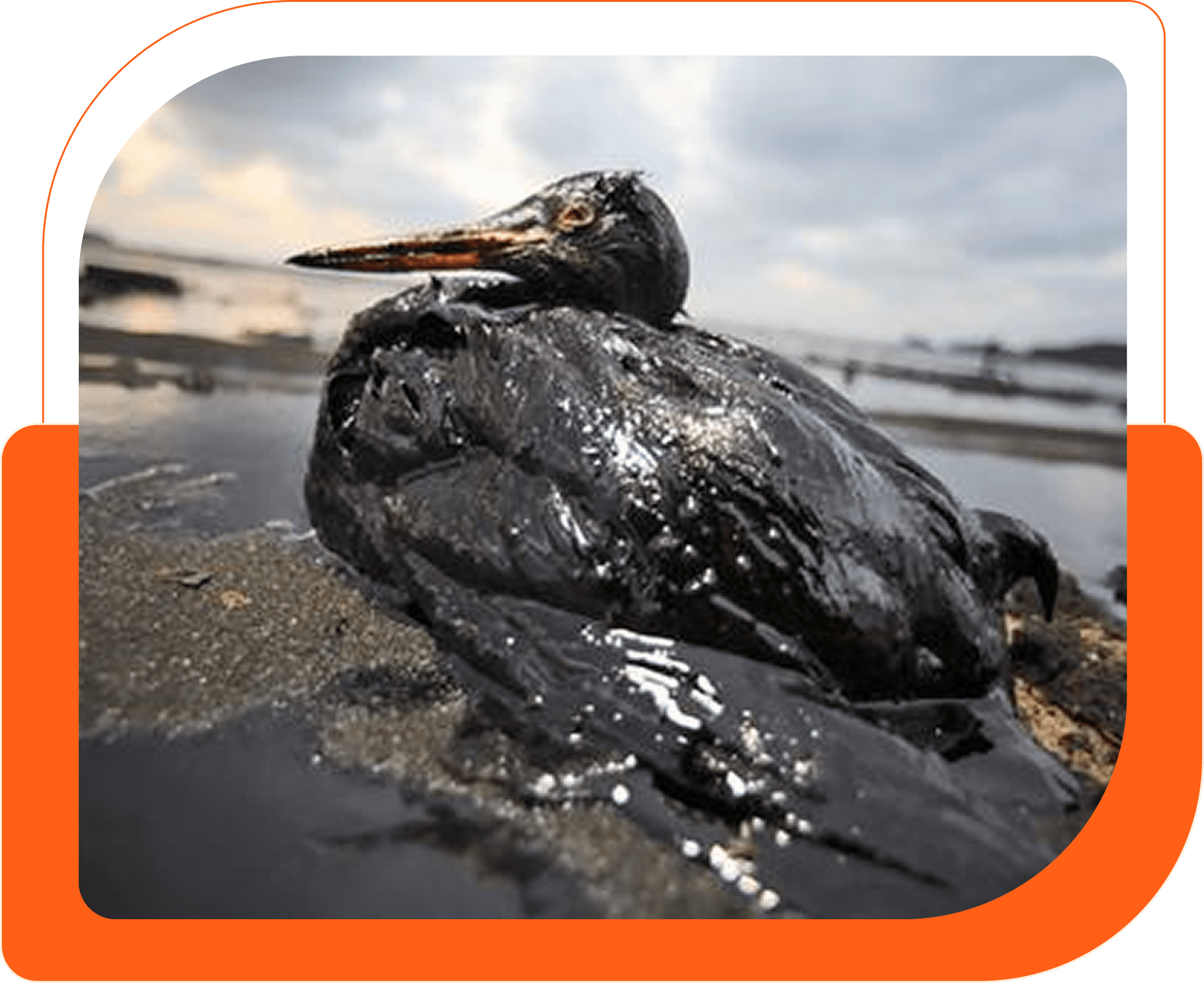
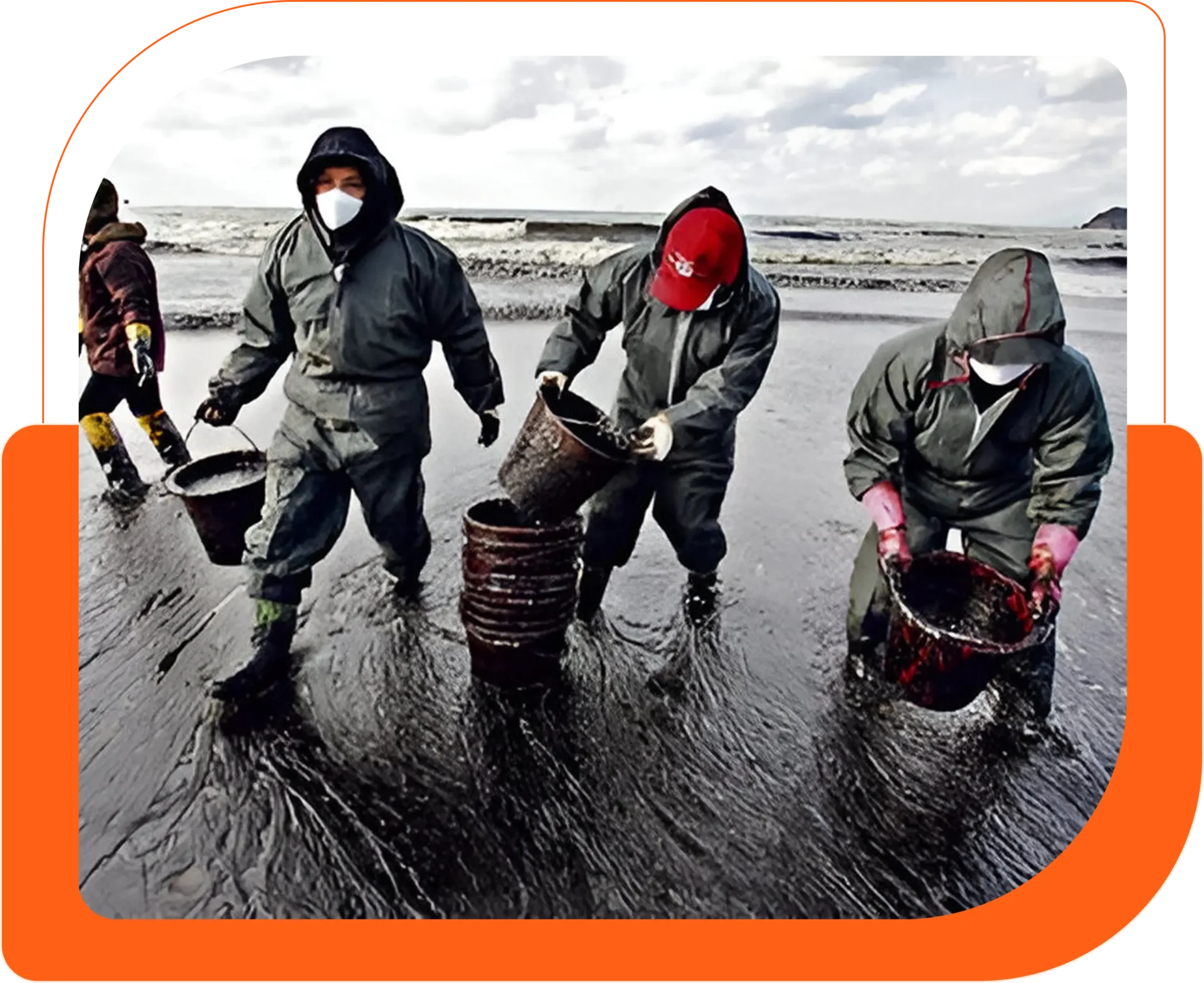
The BP oil spill has a price tag of $60 billion in liabilities and $20 billion in cleanup costs to be paid from US taxpayer dollars. However, the aftermath of an oil spill goes beyond financial settlements. The devastation of various ecosystems and the damage to the environment go beyond the scope and scale of what deep corporate pockets can afford to defray. A ruptured pipe, a sunken ship, an oil field fire, or an explosion all share a common denominator spelling environmental catastrophe.
An oil slick that covers miles and miles of surf and sea, asphyxiates marine life due to diminished oxygen supply. They flee like humans, running away from fire with no place to go.
The potential destruction of planktons, seaweeds, and lengths of coral and barrier reefs becomes a reality as insoluble elements of fossil fuel and dispersants settle to the ocean floor. Dispersed oil sticks on to anything and everything and is then mistaken by marine animals as food.
The Long-Term Biological Toll of Oil Spills
Genetic expression is a tangible factor in life forms. When substances of toxic composition are introduced to the animal and plant kingdom, genetic
mutation follows. Abnormalities in the gene pool produce mutations and even death to these life forms. Research into both the BP and Exxon Valdez spills shows that dolphins and other marine life continued to die in record numbers, with infant dolphins dying at six times the normal rate. A study released in 2014 reported that tuna and amberjack exposed to oil developed deformities of the heart and other organs expected to be life-threatening, if not fatal. Another study found that cardiotoxicity might have been widespread in animal life exposed to the spill. Research specific to the Exxon Valdez spill reports the deaths of 100,000 to as many as 250,000 seabirds, at least 2,800 sea otters, approximately 12 river otters, 300 harbor seals, 247 bald eagles, 22 orcas, and an unknown number of salmon and herring. A University of North Carolina study found that the remaining oil was lasting far longer than anticipated, which in turn had resulted in more long-term loss of many species than had been expected. The researchers found that at only a few parts per billion, polycyclic aromatic hydrocarbons caused a long-term increase in mortality rates. They reported that “species as diverse as sea otters, harlequin ducks, and killer whales suffered large, long-term losses and that oiled mussel beds and other tidal shoreline habitats will take an estimated 30 years to recover.”
Uncovering the Lasting Effects of Oil Contamination
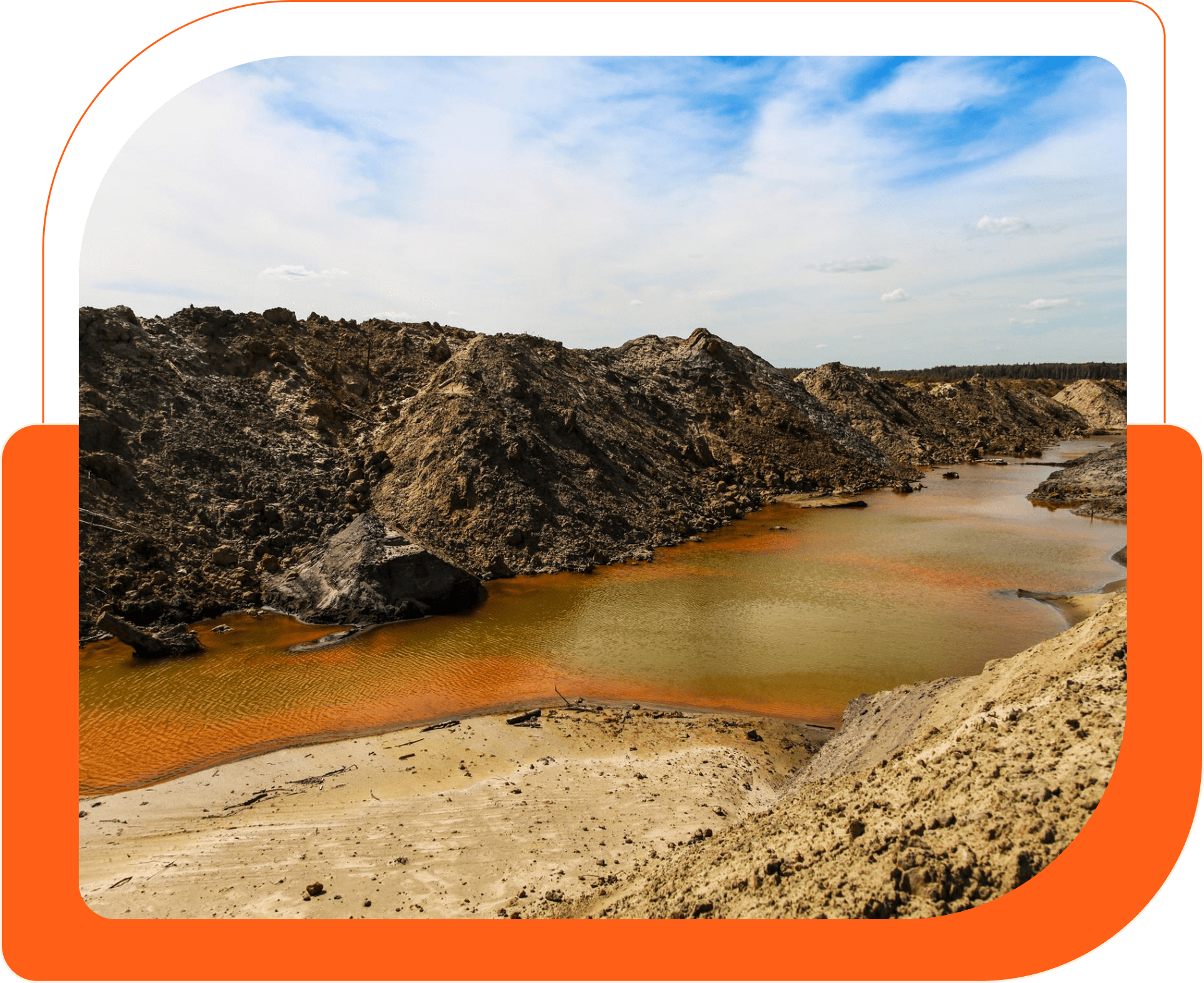
A study done in 2006 by the National Marine Fisheries Service in Juneau, found that approximately 6 miles of shoreline around Prince William Sound was still affected by the spill, with 101.6 tons of oil remaining in the area. Exxon Mobil denied any concerns, stating that they anticipated the remaining oil would not cause any long-term ecological impacts. According to Exxon Mobil: "We've done 350 peer-reviewed studies of Prince William Sound, and those studies conclude that Prince William Sound has recovered, it's healthy, and it's thriving." In contrast, a 2007 report by the National Oceanic and Atmospheric Administration concluded that this residual contamination can produce chronic low-level exposure, discourage subsistence where the contamination is heavy, and decrease the “wilderness character” of the area.
Obviously, this toxic reality impacts wild, marine, avian, and human life, as well as the vegetation that expressly biomagnifies into the human food chain.
Please take the time to view this short film documenting the impact of hydrocarbons in the food chain as it impacted lives in a Canadian community.
Smart Solutions for a Fragile Planet
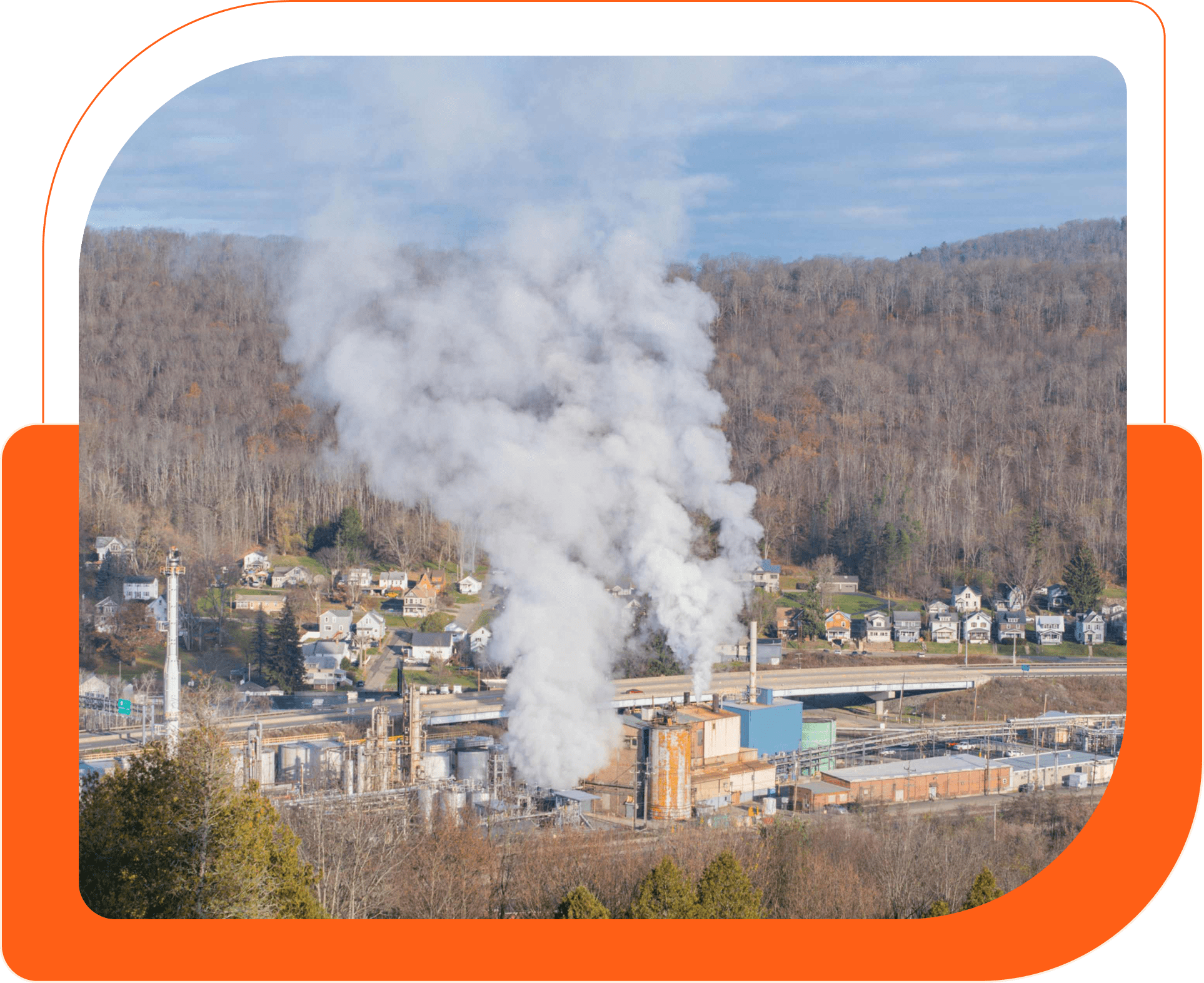
We cannot and will not find the cures for cancer, rare or common, when carcinogens proliferate our environment. The cost of long-term devastation of flora and fauna along shorelines, riverbanks, brooks, forests, desert arctic regions, marine life, avian life, wildlife, and human life cannot be quantified. Studies are numerous to support the negative impact of an oil spill on the environment.
The bottom line is that oil spills can be prevented with intelligent technology and shared real-time human oversight. Rapid response and standby support are crucial to the containment of an oil spill.
There is still time to avert the largest mass extinction of various species in our lifetime. We can start with the SmartBOPTM and evolve technologically to create a more efficient system for dealing with oil spills. The oil and gas industry and taxpayers will save billions in liability and cleanup costs and spare the ecosystem the environmental insult it incurs.
Our environment. Our survival.